
Learn to be resilient through gardening & integrated wellbeing practices.
{ sharing About food & Health, Love & Creative pursuits for
a fun, meaningful… and more resilient life. }
life’s too short to delay Happiness & resilience
Apartment living, a new home, and personal challenges can all trigger a desire to
dig your fingers in the soil to prepare for the unknown. For those wanting more. To slow things down. To be resilient.
From the Farmstead
PRODUCT LOCATIONS &
GUEST SPEAKER INFORMATION
Plants and goods for long-term, everyday use.
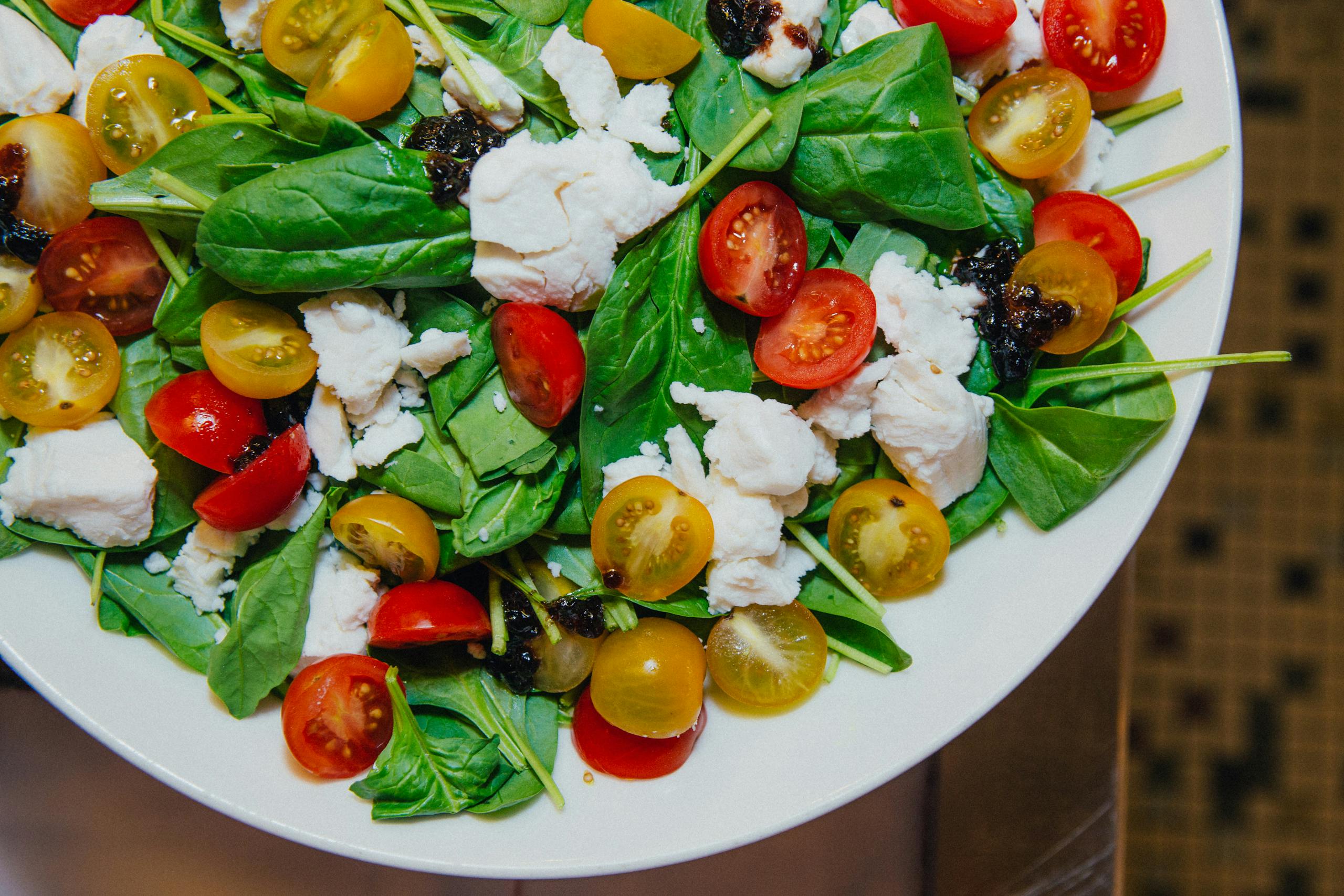
The plant offerings focus on fruit trees and complementary guild plantings, as used in permaculture and food forest systems. We also provide annual plants with proven health benefits, such as tangerine tomatoes, Asian purple sweet potato slips, and Chinese Pink Celery amongst other curated varieties. These are selected with the understanding that plants do better in relationship to one another, and so do we.
Also available:
- Alpha-gal friendly laundry soap, made without mammalian-derived ingredients
- Hand-illustrated greeting cards, including:
- Traditional Gnomes for the holidays & springtime
- Pen and ink animal illustrations
- Mixed media graphite work (cats, books, and hot drinks)
- Garden photography
- Seasonal and winter holiday cards
Winter months on the farmstead are quieter. When the greenhouse rests, that time shifts toward drawing, study and preparation for the spring, and creating small-batch production laundry soaps and hand-crafted goods in the studio.
Sartoria Health & wellbeing
AN OLD-SCHOOL, ANALOG
& IN PERSON WELLNESS PROGRAM
Tailored health support grounded in lifestyle medicine.
This work is built around The Sartoria Health & Wellbeing Program, a method to approach lifestyle change in a 12-week, in-person and correspondence-based program designed for small groups that meet weekly or bi-weekly. Anyone interested can participate, although those who may find the most benefit are experiencing one, or more, chronic health conditions such as Type 2 Diabetes.
It brings together:
- The six pillars of lifestyle medicine:
- Food & nourishment
- Physical activity
- Sleep
- Stress management
- Social connection
- Avoidance of risky substances
Rather than moving quickly or relying on digital tools, the structure is intentionally slower. Participants meet in person and receive mailed letters every two weeks.
We move towards our individuals goals together, at the speed of life.
Out & About
Interview on WFHB’s Eco-Report, part one
WFHB Environmental Correspondent Zyro Roze explores issues relating to local urban agriculture and government policy with Jami Scholl of Rezenience, a permaculture consultancy firm growing nutriceutical plants and produce in Bloomington, Indiana.
Jami is interviewed by Environmental Correspondent Zyro Roze. He talks to her about about local food production, urban agriculture, food as medicine, and sustainable business practices.
Interview on WFHB’s Eco-Report, part Two
Jami’s interview by WFHB’s Environmental Correspondent, Zyro Roze, continues. They discuss local food, urban agriculture, food as medicine, and sustainable business practices.
Interview on WFHB’s Eco-Report, The Complete Interview
Roze and Scholl conclude the discussion about new research and options for optimal health and nutrition, challenges for local food security, shortfalls in disaster preparedness, local impacts of climate change, and strategies for resilience amidst environmental disruptions affecting the sustainability of food systems worldwide.